
Supervisor Kaizen
July 2026
Small Experiments for Supervisor Kaizen
A practical Supervisor Kaizen guide for Malaysian factories on using small one-shift experiments to improve output, quality, safety, and 5S without blame.
Read Article →Frontline guides, checklists, and case studies on OEE, Kaizen, Lean, and visual management for manufacturing leaders in Malaysia.
A practical Supervisor Kaizen guide for Malaysian factories on using small one-shift experiments to improve output, quality, safety, and 5S without blame.
Read Article →
A practical guide for Malaysian HR managers, training managers, plant leaders, and SME owners deciding whether the first capability gap is flow, discipline, equipment care, loss visibility, or daily improvement habit.
Read Article →
A practical Supervisor Kaizen guide for Malaysian factories on making line-side visual management useful, current, and action-driven every shift.
Read Article →
A practical guide for Malaysian production supervisors on how to run hourly production control without turning the line review into blame or paperwork.
Read Article →
A practical guide for HR managers, training managers, SME owners, and department heads who need to decide whether the real problem is team chemistry, manager behaviour, or both.
Read Article →
A practical guide for Malaysian manufacturers that want to build AI capability around real reporting, coordination, and problem-solving work before spending on bigger software projects.
Read Article →
A practical guide for Malaysian HR, training, and operations teams who need HRDC claimable in-house training that closes real capability gaps, not just fills the yearly calendar.
Read Article →
A practical Kaizen guide for Malaysian production supervisors: how to run a disciplined shift handover that stops yesterday’s problems from repeating today.
Read Article →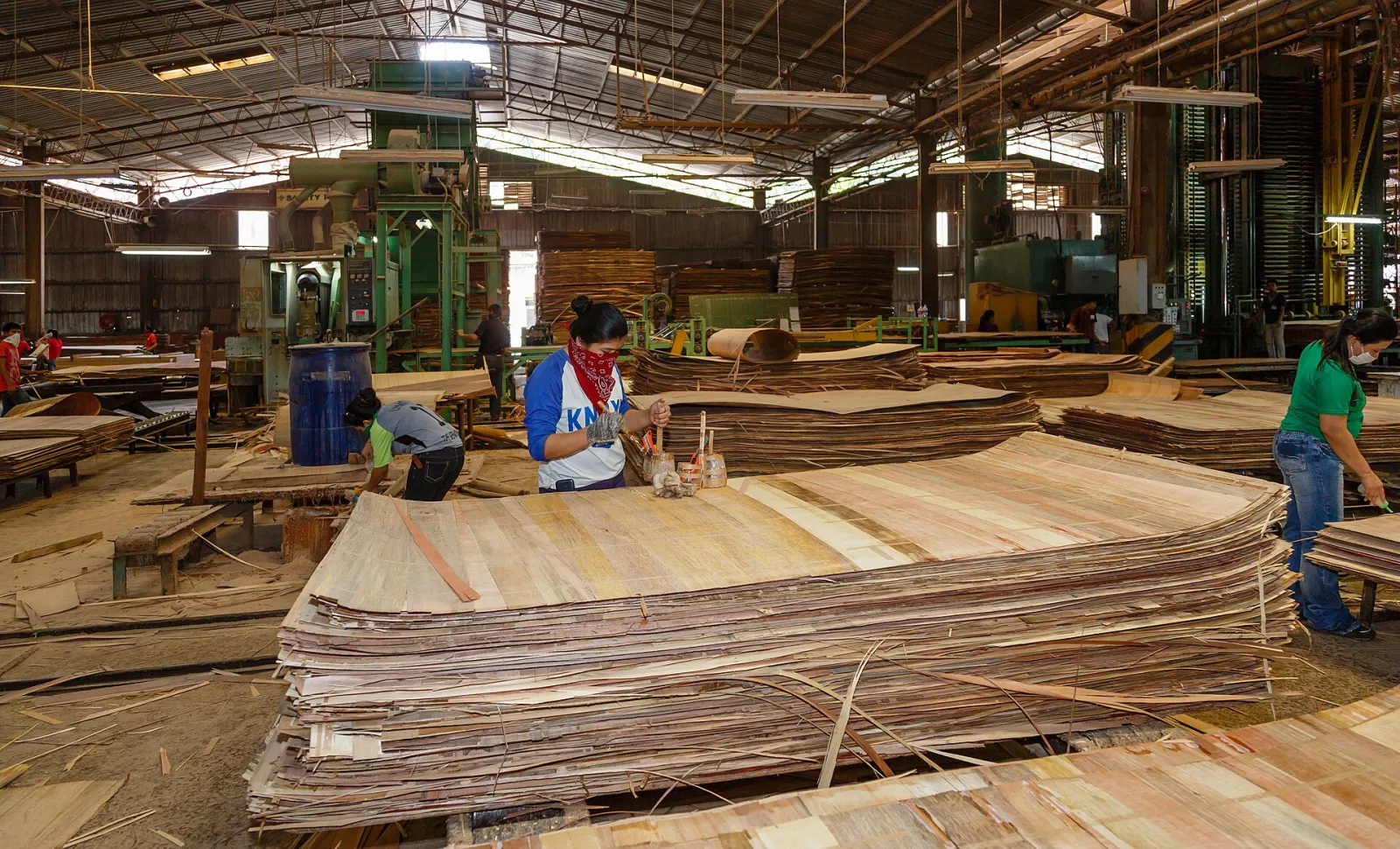
Output improves when the factory stops treating the daily target as a wish and starts managing the conditions that make the target possible.
Read Article →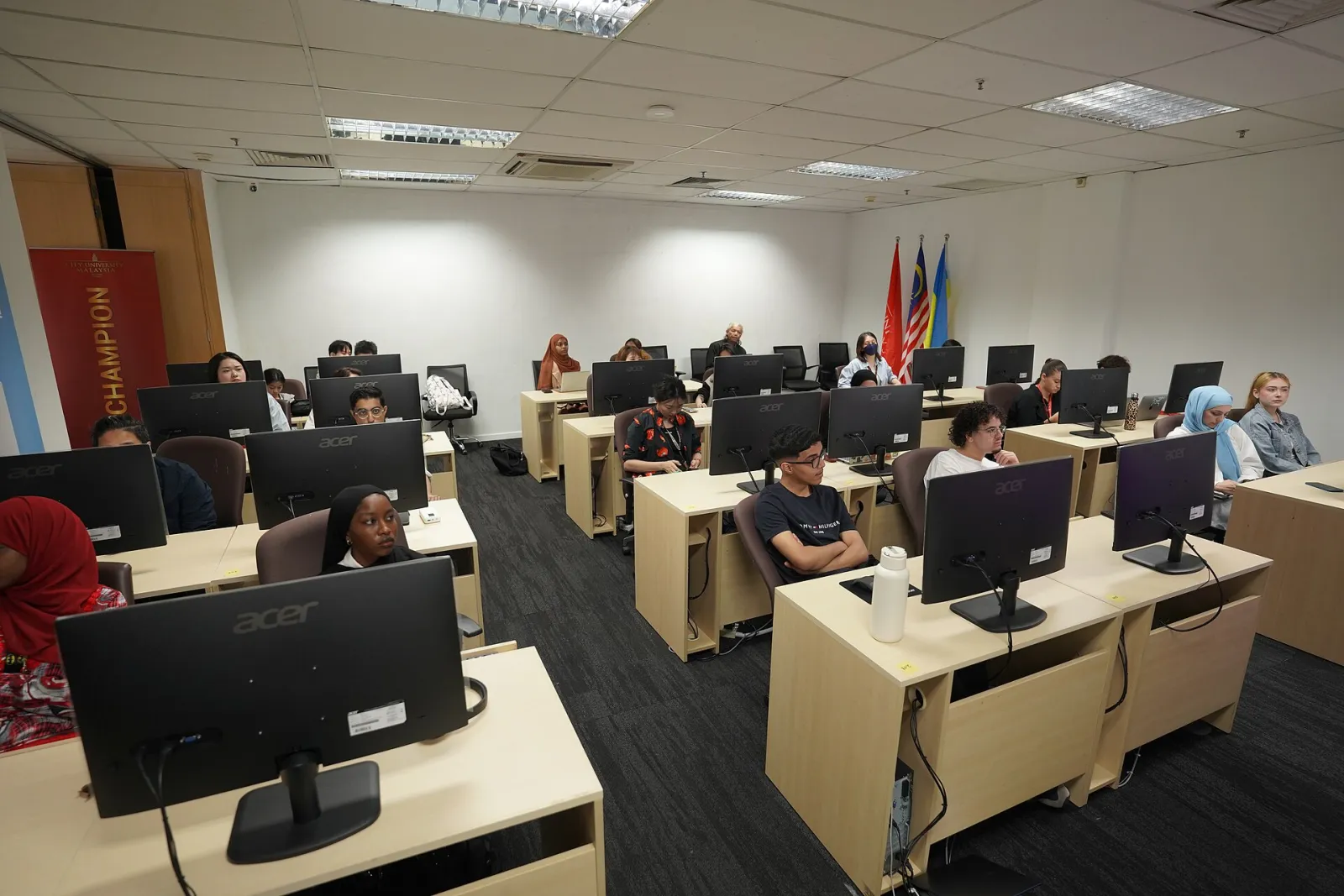
OEE is powerful, but it is not the only lens. Some production problems are equipment losses. Others are flow, manpower, material, quality, or daily management losses.
Read Article →
Downtime is rarely just a maintenance problem. In many factories, it is a system problem involving equipment condition, changeover, materials, quality decisions, and escalation discipline.
Read Article →
A factory that hides small problems will eventually face big ones. Daily Kaizen needs supervisors who make abnormalities visible early, respond calmly, and use them to improve the process.
Read Article →
End-of-shift results tell you whether the line won or lost. Process metrics tell supervisors where the shift is being won or lost while there is still time to act.
Read Article →
Factories rarely miss targets because people are lazy. They miss targets because the process condition is unclear, small obstacles are worked around, and supervisors are forced into firefighting instead of daily improvement.
Read Article →
Daily Kaizen does not need a complicated form. It needs a simple questioning routine that helps supervisors see the gap, coach the team, and take the next small step.
Read Article →
Develop internal Kaizen champions who can drive sustainable continuous improvement in your manufacturing plant. Structured, results-based program for Malaysian manufacturers.
Read Article →
Malaysian Tier 1 and Tier 2 automotive suppliers face unique VSM challenges — short JIT windows, multi-model lines, and PPAP complexity. Here is how to apply value stream mapping correctly in the Malaysian automotive supply chain.
Read Article →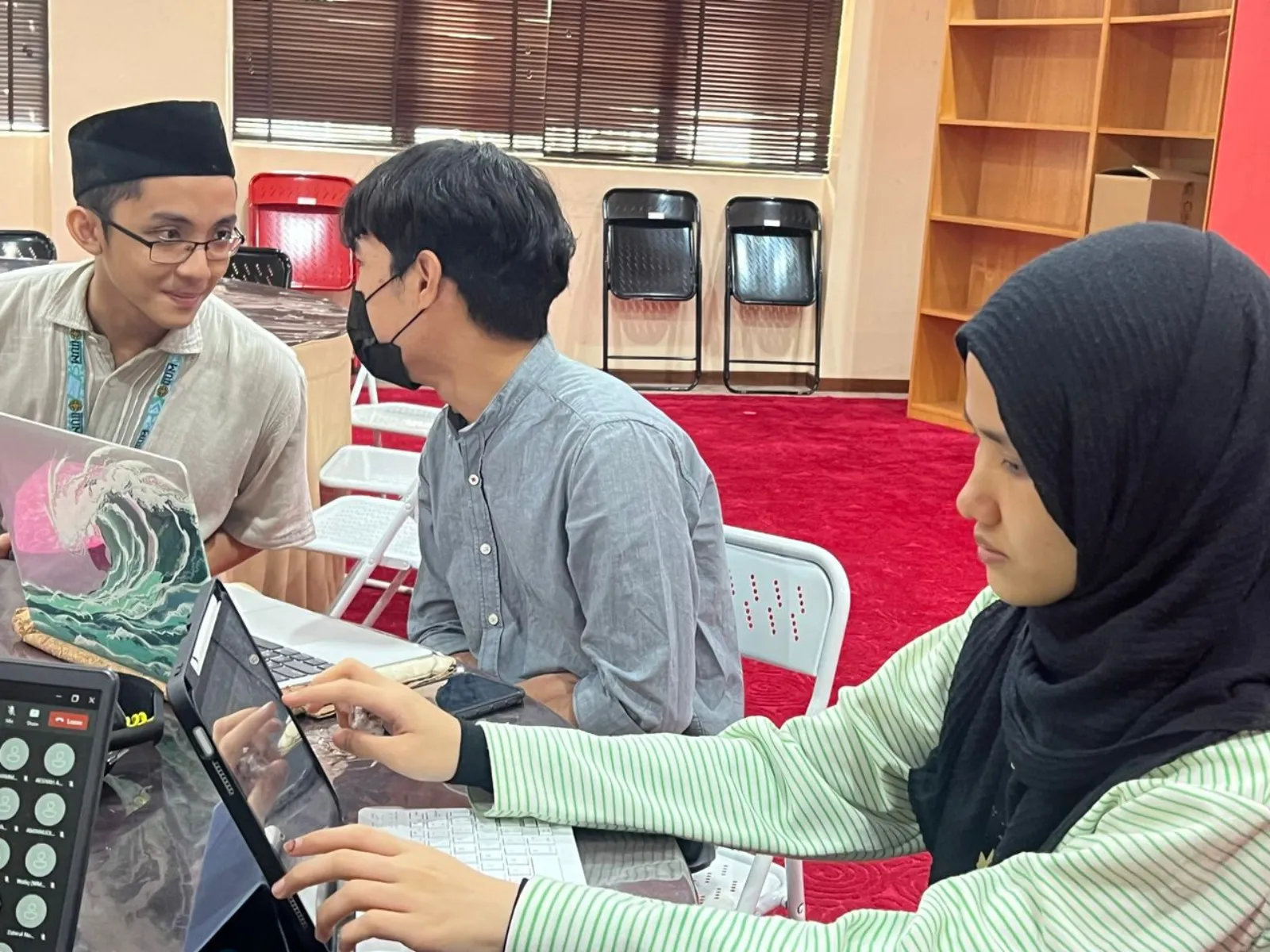
A practical, zone-by-zone 5S audit checklist built for Malaysian manufacturing — with scoring guidance, common failure patterns, and how to turn audit findings into lasting improvement.
Read Article →
Autonomous maintenance transfers basic equipment care from the maintenance department to operators — and it is the single highest-leverage step in any TPM programme. Here is how to implement it correctly in Malaysian manufacturing.
Read Article →
Aviation MRO is one of the most complex operational environments in Malaysian industry. Here is how Kaizen coaching applies to hangar operations, component shops, and maintenance planning — and why the approach must be different from conventional factory-floor lean.
Read Article →
Malaysian semiconductor plants run 15 to 30 percentage points below world-class OEE. Here is what the data shows, what drives the gap, and the improvement roadmap that actually works in backend assembly and test operations.
Read Article →
Gemba walks are one of the most powerful habits in lean leadership. They are also one of the most commonly performed incorrectly — producing the appearance of engagement without any of the substance.
Read Article →
Andon is one of the most powerful tools in the Toyota Production System. In most non-Toyota factories, it is an expensive light installation that operators learn to ignore.
Read Article →
The PDCA cycle is four steps. Most Malaysian manufacturing SMEs complete one and a half of them. Here is why — and what a full PDCA cycle actually looks like in practice.
Read Article →
Error-proofing should make defects impossible. In practice, most poka-yoke devices are bypassed, broken, or ignored within months of installation.
Read Article →
Every lean factory has visual management boards. Very few of them actually manage anything. Here is the difference between decoration and function.
Read Article →
The difference between factories that improve continuously and factories that run Kaizen events is not the events. It is what happens between them.
Read Article →
Standard work is the foundation of every lean system. It is also the most consistently ignored element. Understanding why reveals a lot about how improvement programmes fail.
Read Article →
Value Stream Mapping is one of the most powerful tools in lean manufacturing. It is also one of the most commonly misused. Here is what goes wrong.
Read Article →
Lean Six Sigma in Malaysian factories — what the methodology gets right, where implementations fail, and how to make it stick on your floor.
Read Article →
Thousands of Malaysian factories have run 5S programmes. A fraction of them are still practising 5S six months later. The reasons are consistent and fixable.
Read Article →
Most Kaizen events produce a report, not results. Here are the six root causes of Kaizen failure — and what successful implementation actually looks like.
Read Article →
Overall Equipment Effectiveness is the most widely misunderstood KPI in Malaysian manufacturing. This guide explains what OEE actually measures, why most OEE numbers are wrong, and what real OEE improvement requires.
Read Article →